RFID Digital Label Solution
In the apparel, beauty and retail industries, traditional paper hangtags and standard printed labels have long served only to display basic product information. However, amid rising demands for supply chain digitalization and refined single-item management, they can no longer meet operational requirements for full traceability, instant identification and seamless circulation. By contrast, RFID tags feature embedded microchips that enable contactless data storage and recognition, assigning each product a unique digital ID. This supports automated workflows across warehousing, logistics and in-store inventory checks, establishing RFID tags as the core upgrade solution for electronic labeling and gradually replacing conventional barcode labels as essential industry infrastructure.
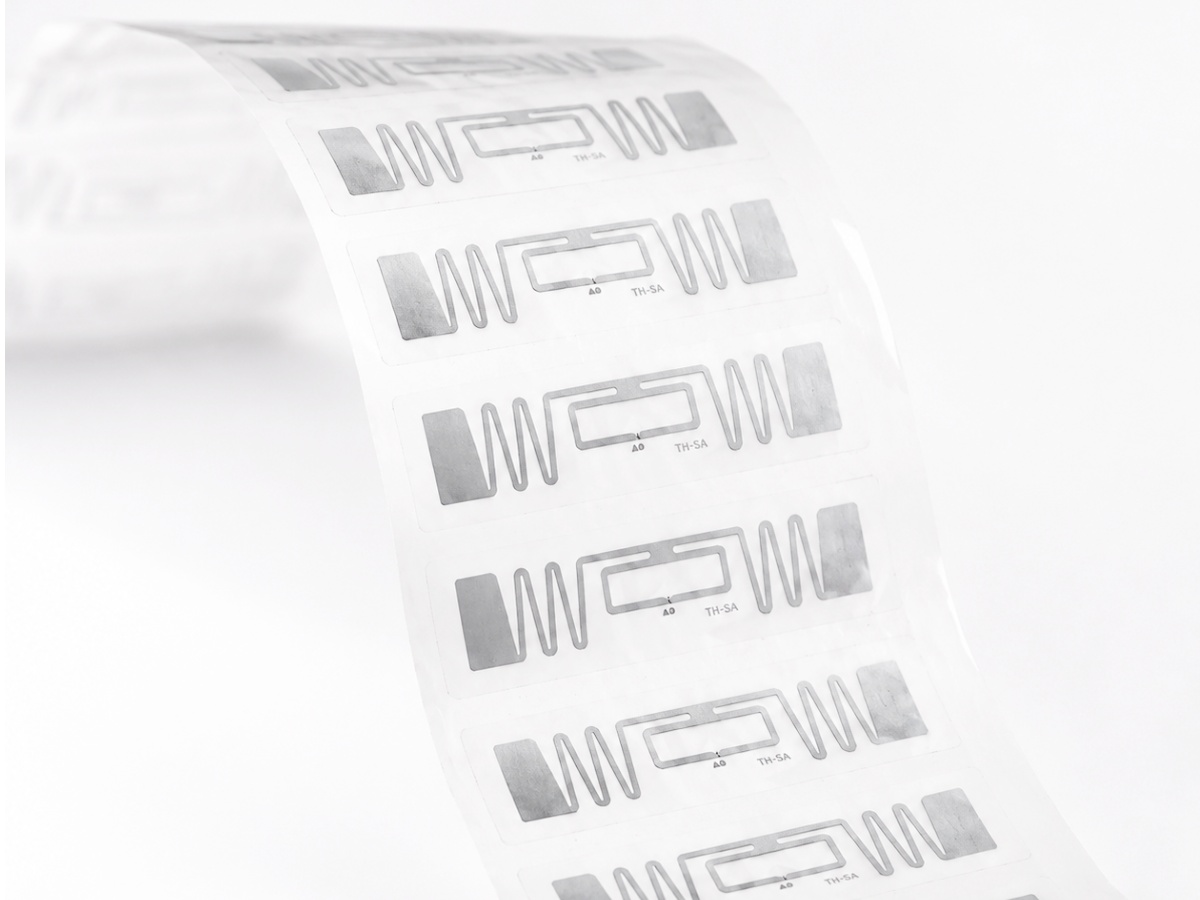
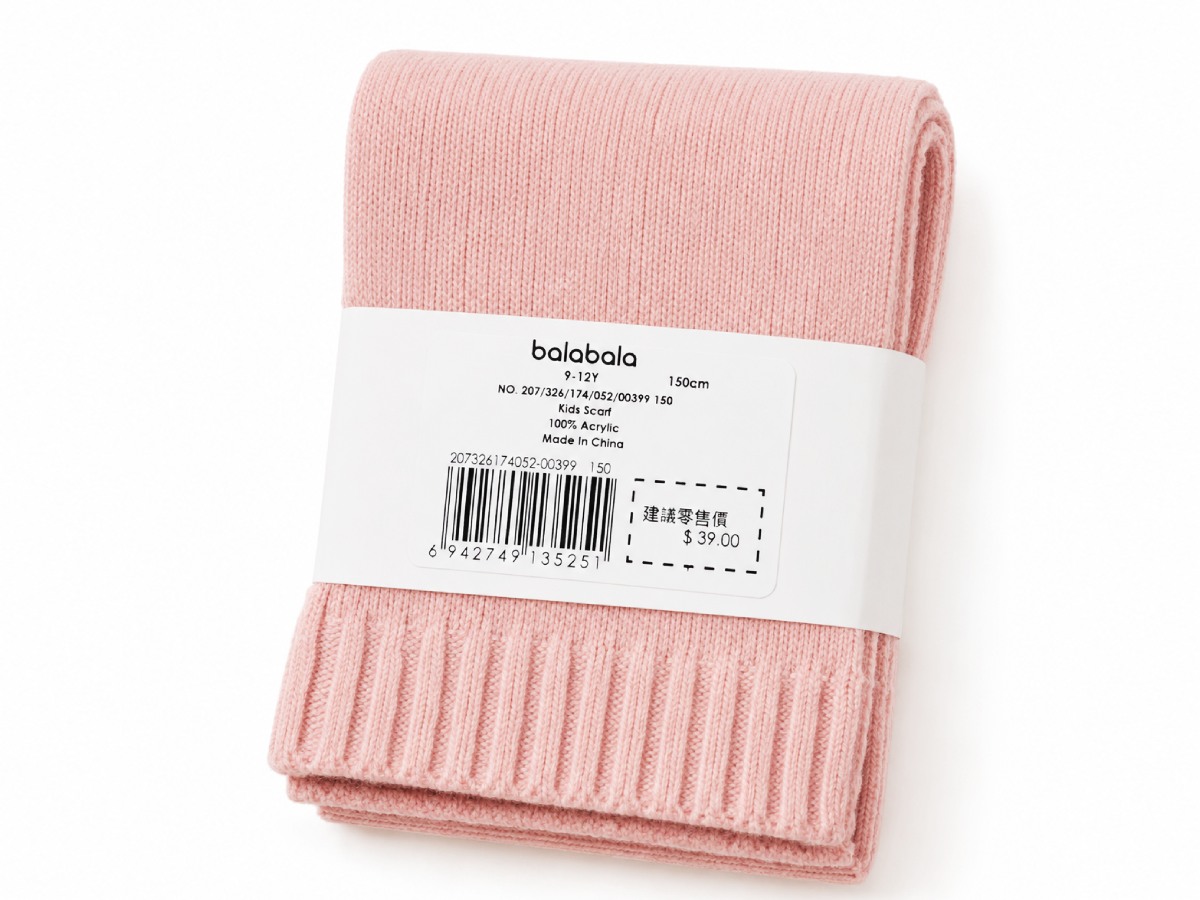
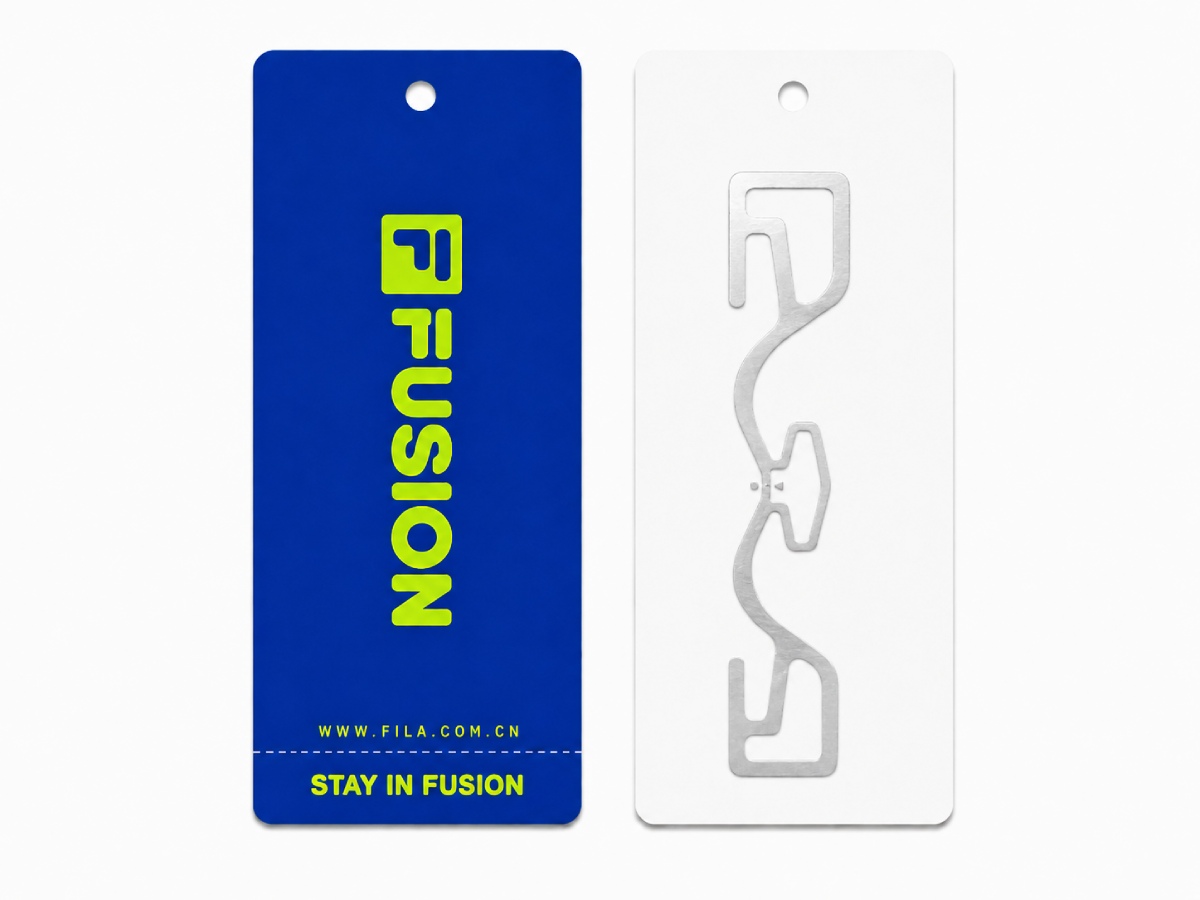
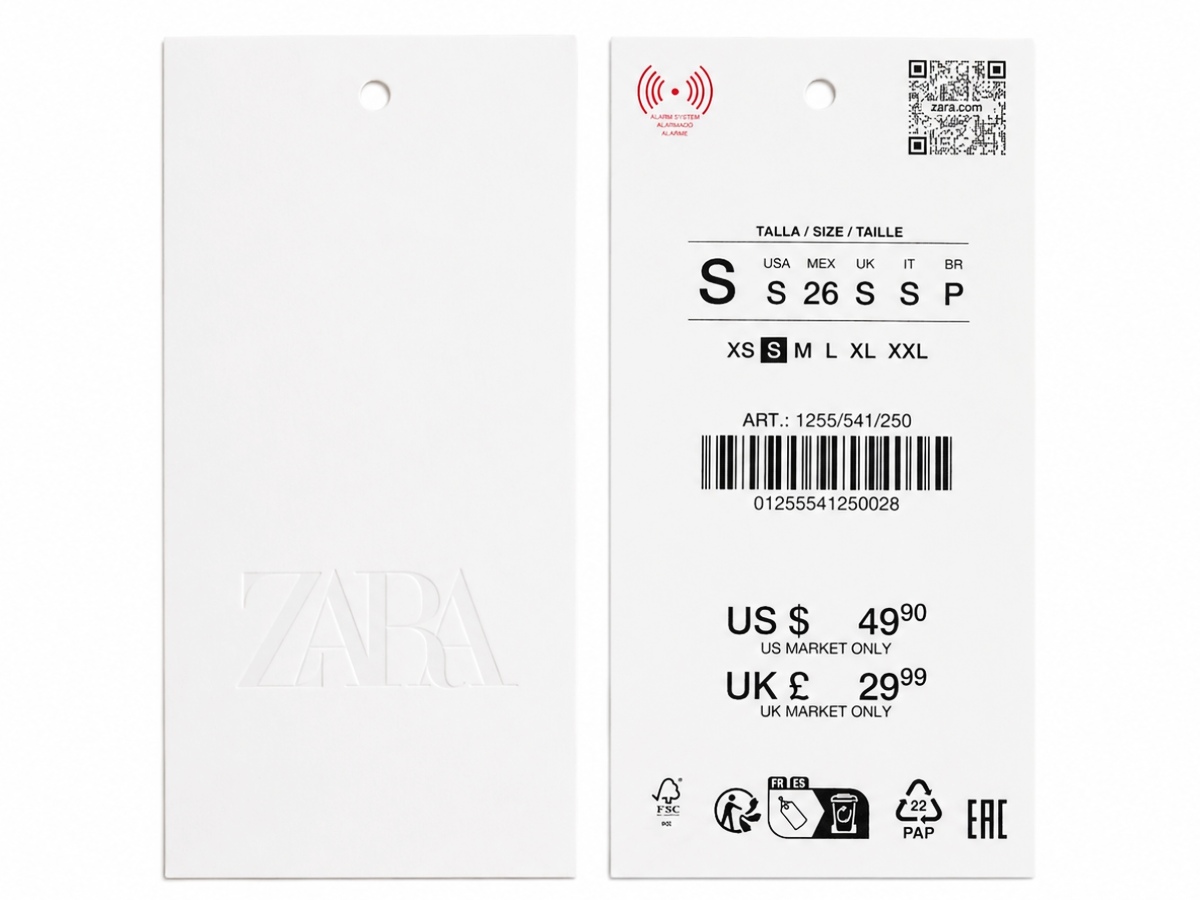
RFID tags have now been widely deployed throughout global retail, fast-moving consumer goods (FMCG) and luxury supply chains. Major international brands leverage this technology for core operations: Zara uses RFID to achieve real-time store-level inventory management; Walmart boosts supply chain transparency and restocking efficiency via RFID; Nike implements item-level tracking and anti-counterfeiting for footwear and apparel; Amazon deploys RFID and automatic identification technology on a large scale across its warehousing and order fulfillment network. Additional brands including Uniqlo, Sephora and L’Oréal continue scaling up RFID adoption across apparel, cosmetics and personal care product lines.
Industry statistics reflect robust market momentum: the global RFID label printing services market posts an annual compound growth rate of approximately 12%, reaching a market size of USD 504 million in 2025, with projections to hit USD 1.57 billion by 2035. Domestic annual output of RFID tags in China has exceeded 18.4 billion pieces, representing a year-on-year growth of over 18%. Driven by frequent restocking cycles, small-batch fast-replenishment production and the universal shift toward one-item-one-code traceability, RFID technology is evolving from an optional upgrade to a mandatory industry standard.
Aligned with this market shift, the SR21 and SR22 dedicated RFID variable inkjet all-in-one machines deliver a transformative upgrade to label manufacturing workflows. These systems consolidate printing, RFID chip encoding and data verification into a single integrated process, completing tag encoding and output in one pass. Equipped with high-precision RFID read-write modules, the devices synchronously finish data encoding, inkjet printing and automatic validation once data is imported, eliminating errors and delays caused by repeated cross-process transfers.
Furthermore, its modular integrated design drastically reduces floor space occupation, fitting flexibly into factory agile production line layouts. In terms of throughput, the equipment supports high-speed continuous operation and maintains stable output even in scenarios with numerous SKUs, small batch sizes and frequent format changes. It streamlines fragmented, multi-stage traditional RFID label production into a compact, intelligent workflow with instant format switching capabilities. This empowers printing factories to build superior delivery performance and competitive edges within the high-margin RFID production segment.